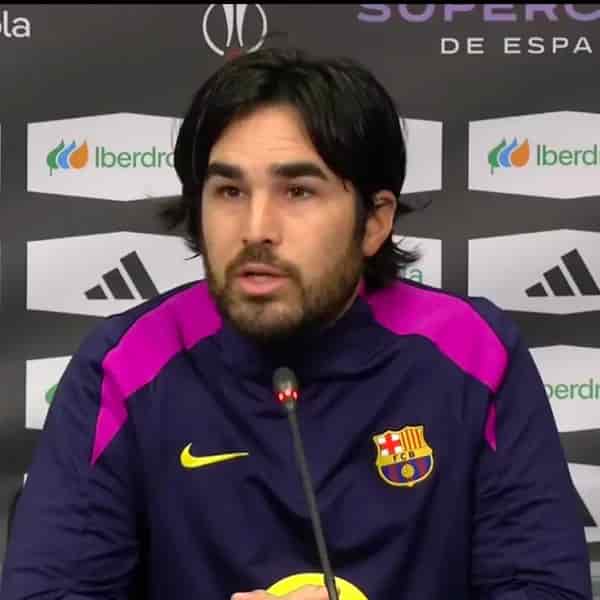
Sport psychology for coaches
Results pressure, dressing-room management, burnout and careers abroad. I've been part of professional technical staffs in five countries, and my PhD thesis studies migration processes and coach mental health.
I know the bench from the inside
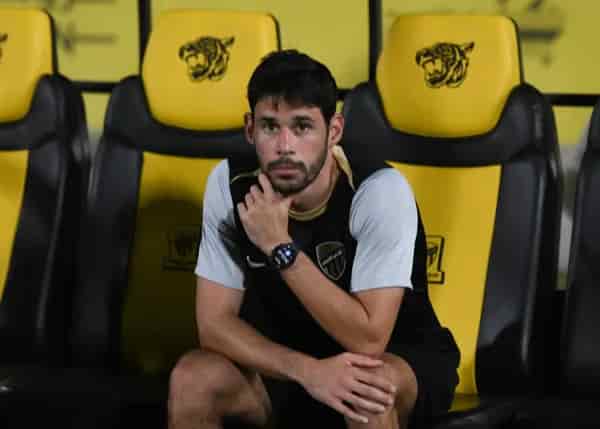
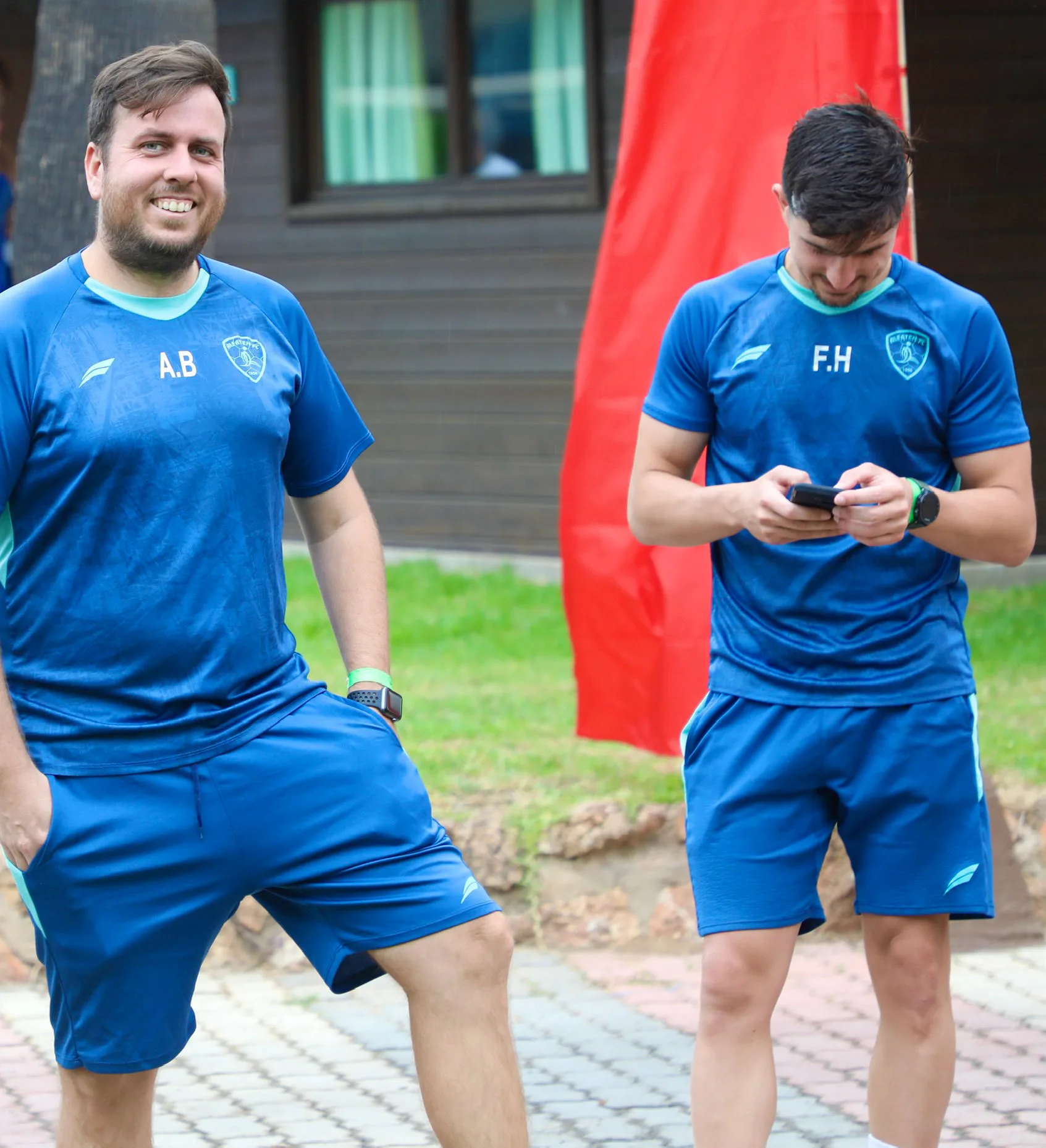
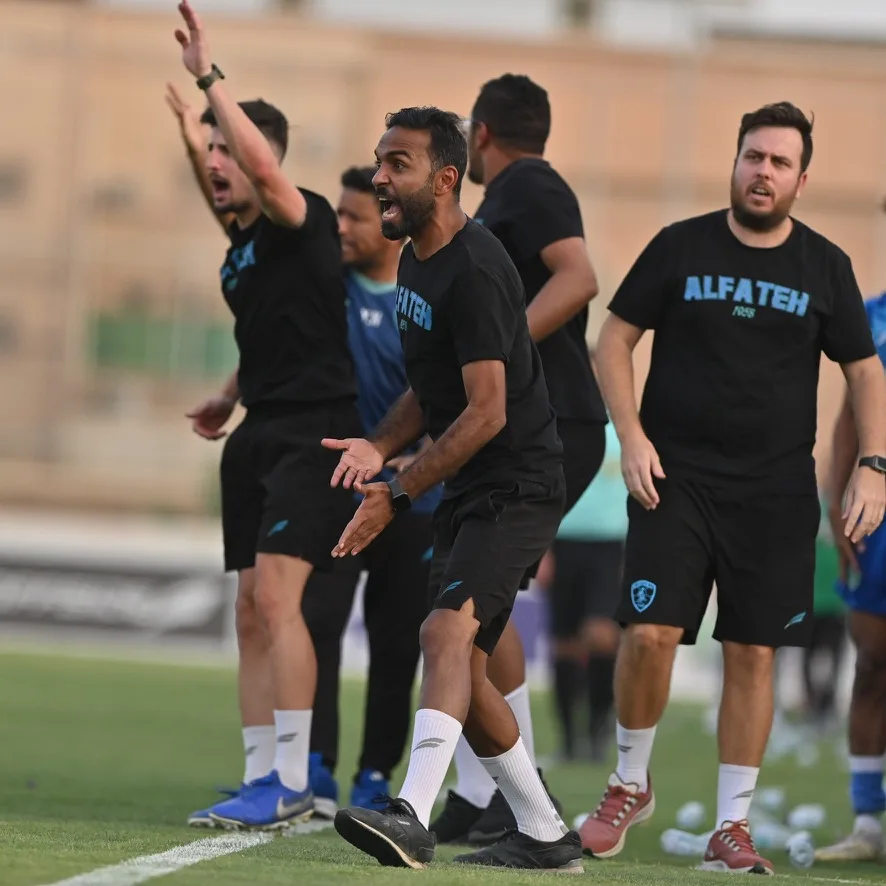
I worked as a coach in professional technical staffs in Spain, the United Arab Emirates, Saudi Arabia, Qatar and Latvia.
I know what a coach's day to day is like because I've lived it from the inside. While working as an assistant coach, I pushed through a PhD focused on the figure of the coach: their mental health and the migration processes many have to face when they change country.
My thesis, titled «Transnacionalismo, procesos migratorios y salud mental en entrenadores de fútbol» (UAB), studies what happens psychologically to a coach when they change country, sporting system and culture, and what protects their mental health through it. I keep researching and publishing on it, and I'm an editor at scientific journals such as Psychology of Sport and Exercise.
In sessions we work on results pressure, emotional regulation, communication with players and sporting management, and the part that's almost never addressed: how to hold up your personal and family life while holding down a bench.
Areas of work
Results pressure
The job gets judged every week. Coping strategies that don't depend on the scoreboard.
Burnout prevention
Spotting overload before it takes a toll on work and personal life.
Dressing-room management
Communication, conflicts and unpopular decisions with players and staff.
Career abroad
Cultural, family and language adaptation in a new sporting system.
Transitions and instability
Club changes, spells without a team and career decisions.
Professional mental health
Anxiety, sleep and mood when the job starts to weigh on you.
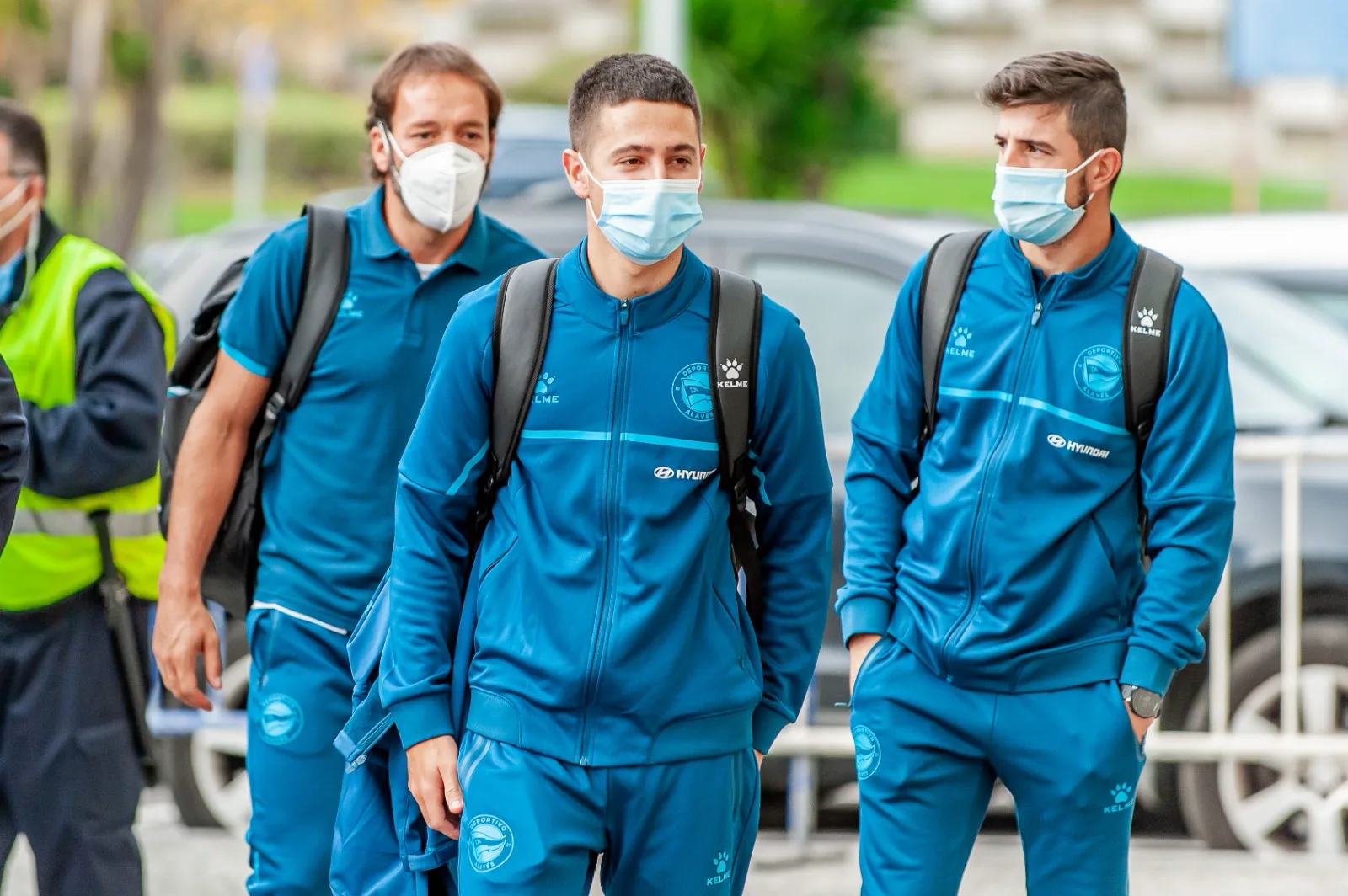
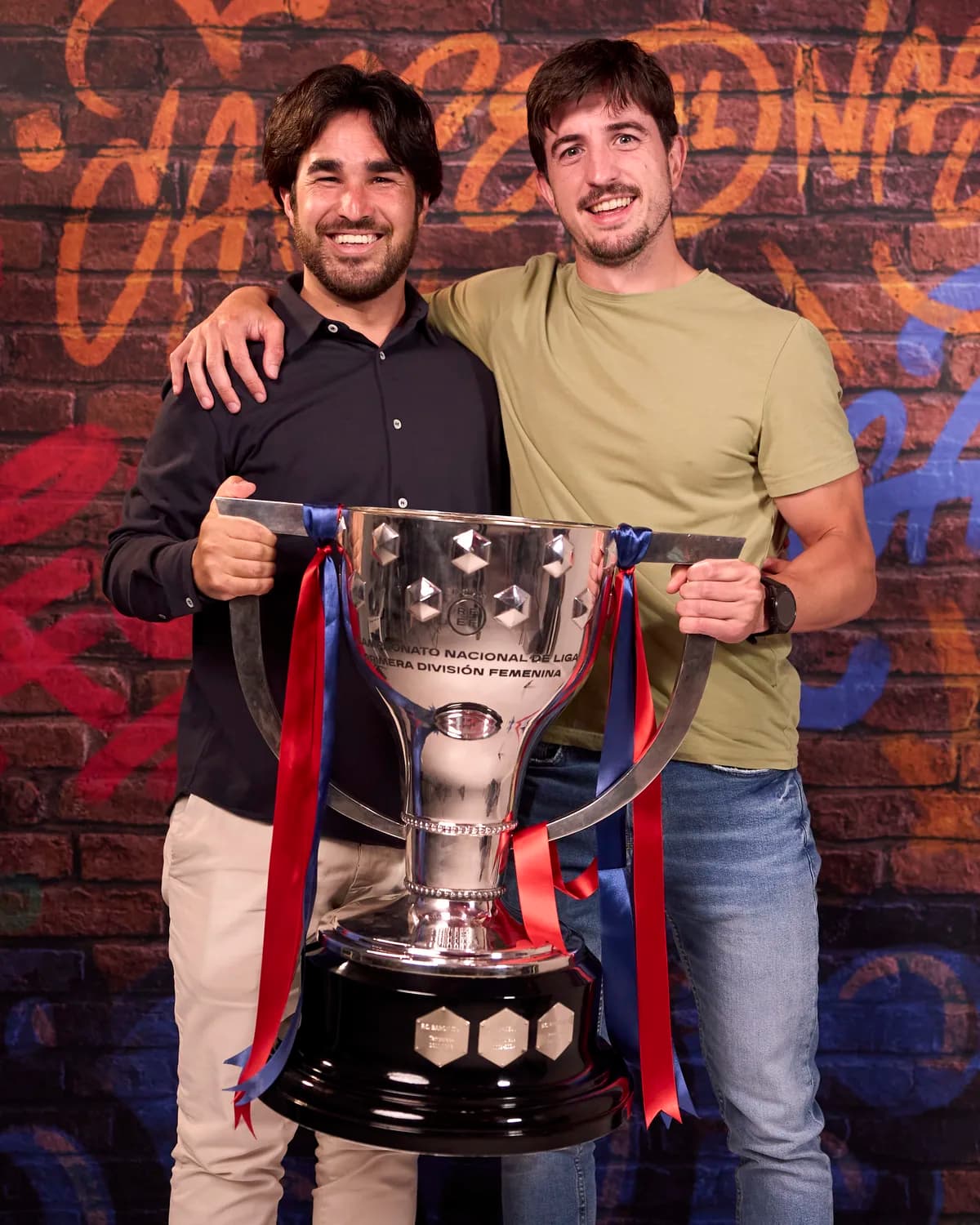
Coaches I have worked with
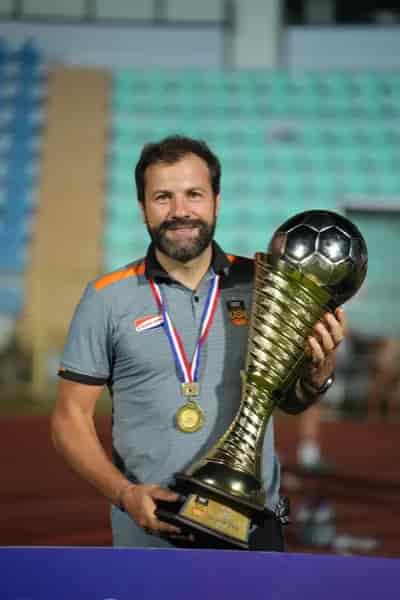
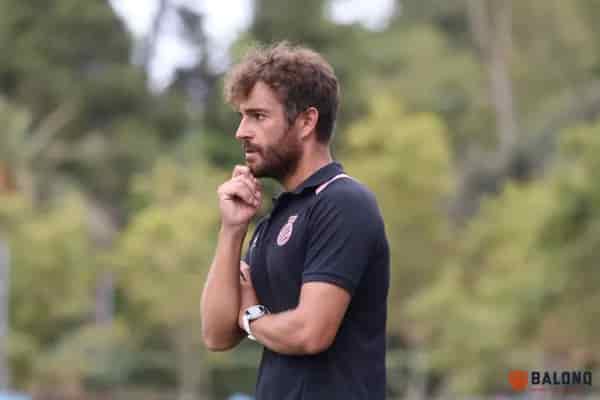
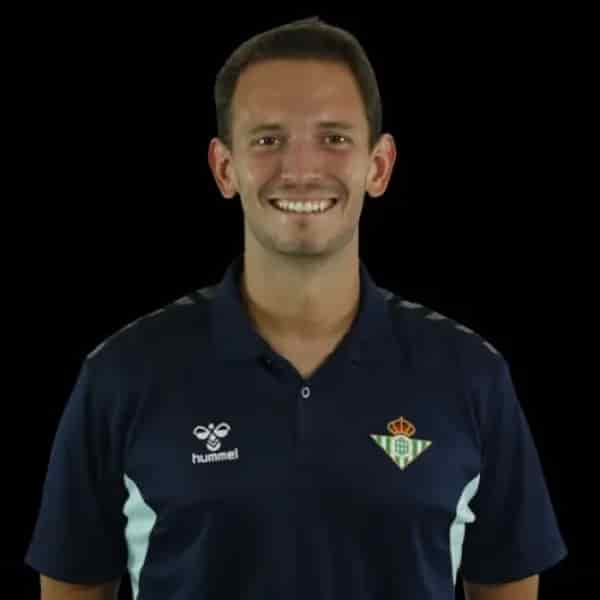
These are some of the coaches I have worked with. They have given me their express consent to appear here.
Albert Castillo
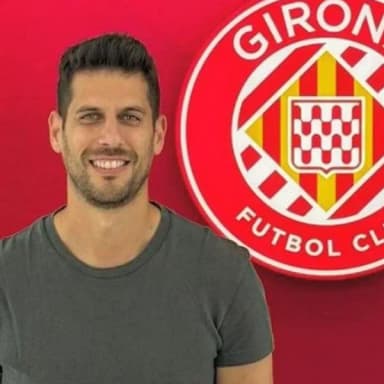
Albert Puig
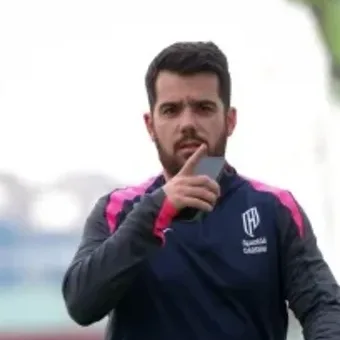
Alberto Riera
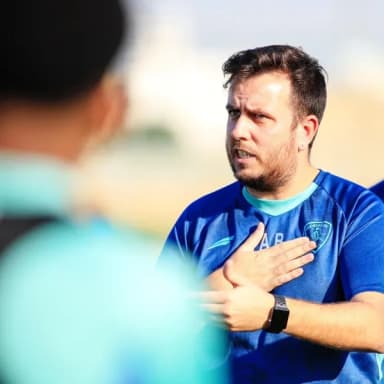
Ángel Berastain
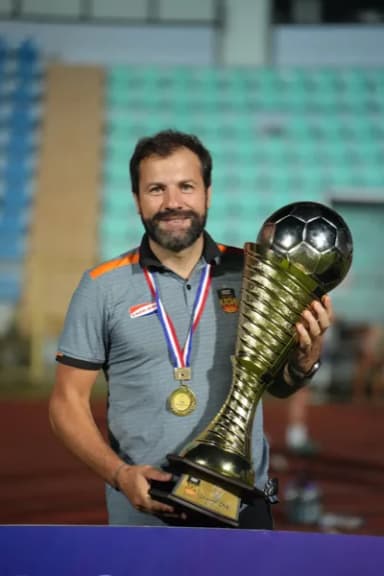
Carlos Fonseca
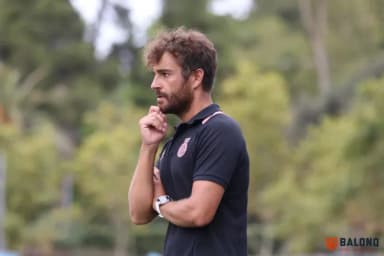
Guillem Nogueras
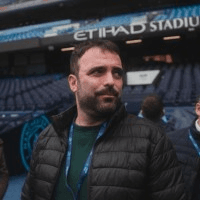
Isaac Arqués
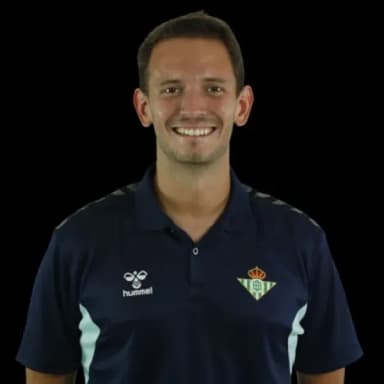
Javier Visea
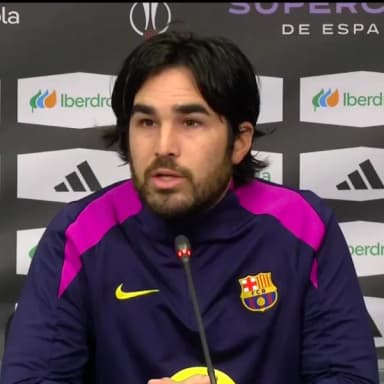
Pere Romeu
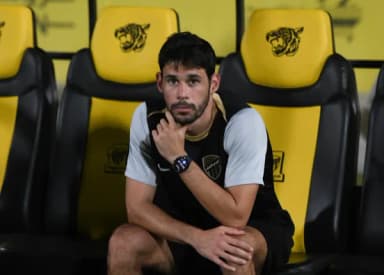
Xim Cano
Frequently asked questions
Offers a confidential space to work on what the job doesn't allow you to show: results pressure, dressing-room management, accumulated wear, and career decisions. The goal is twofold: protecting the coach's mental health and improving how they lead their team.
Yes. The professional relationship is between the coach and me. Nothing worked on in session is shared with the club, sporting management or third parties, unless the coach themselves decides to.
Yes, online. It's a central part of my practice: I've lived through those transitions myself as part of technical staffs in Saudi Arabia, Qatar and Latvia, and coaches' migration processes are the subject of my PhD thesis.
Yes. Alongside individual work with the head coach, I consult with technical staffs: diagnosing the staff, internal communication, role distribution and decision-making under pressure.
Shall we talk?
If you're coaching in a high-demand environment, or in the middle of a club or country transition, get in touch. The first conversation is no-commitment.