




Sport psychology for clubs
Design and implementation of psychology departments, training for coaches, athletes and families, and assessment reports.








Club sport psychology
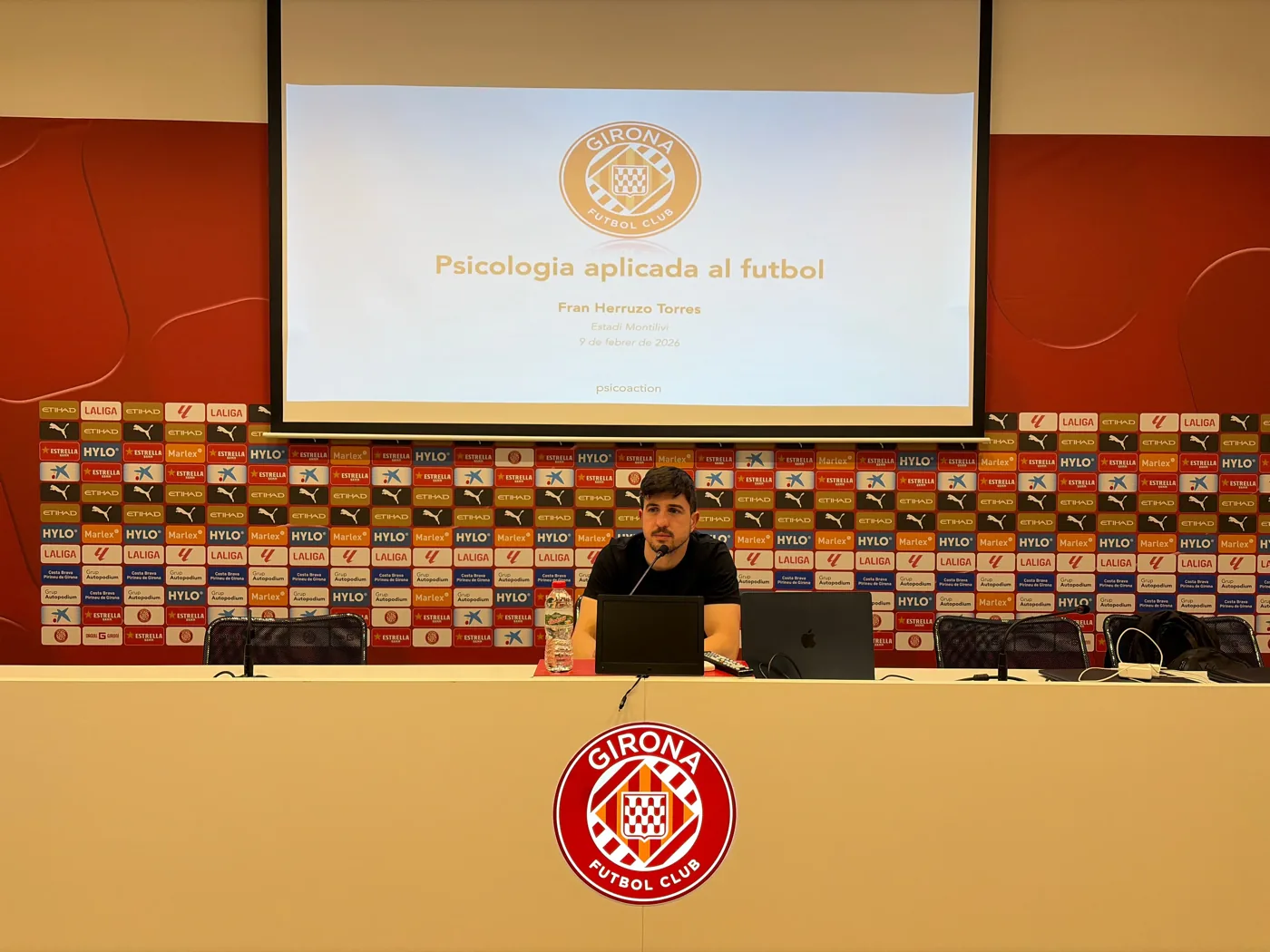
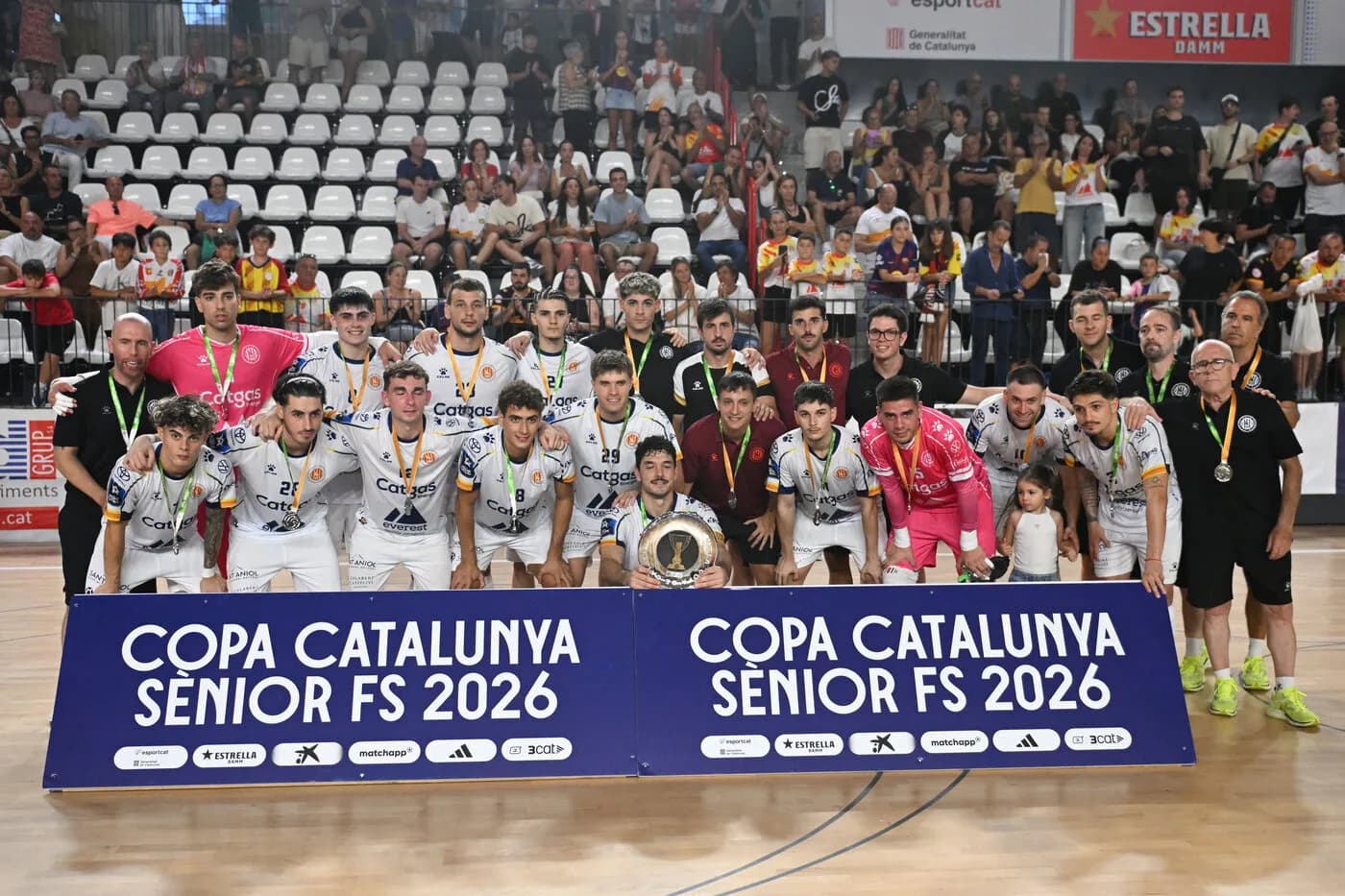
I've collaborated with clubs in five sports: football, futsal, basketball, figure skating and rhythmic gymnastics. Working across different disciplines lets me adapt sport psychology to the demands, rhythms and ages of each context. In football, with Girona FC, Riga FC, UE Sant Andreu, CE Sabadell and UFB Jàbac i Terrassa. In futsal, with FS Ripollet and Catgas Energia Santa Coloma. In basketball, with CB Ripollet. In figure skating, with Club Patinatge Artístic Ripollet and Club Patí Ciutat de Sabadell. And in rhythmic gymnastics, with Club Gimnàstica Rítmica Cerdanyola.
Since the 2026/27 season I coordinate the Psychology Department at CE Sabadell, UE Sant Andreu, FS Ripollet and Club Patinatge Artístic Ripollet, thanks to our collaboration with the Universitat Autònoma de Barcelona and the Universidad Internacional de La Rioja. Both universities send us final-year students of the Master's in Sport Psychology, and the clubs give them a suitable environment to learn from real cases under my own supervision.
Besides clubs, I also work with companies in the sports field: academies, federations, event organizers and camps. If you represent an organization looking for training or consulting in sport psychology, take a look at the services for companies.
Sport Psychology Services for Clubs
Setting up departments
Design, assessment and intervention protocols, integration with the technical staff and follow-up of the psychological work across all age groups.
Training
Sessions for coaches, families and athletes: pressure management, communication and team cohesion.
Assessment reports
Psychological diagnosis at squad and organizational level, with concrete, prioritized recommendations.
Strategic consulting
Consulting on sporting culture, leadership and the club's psychological work methodology.
Frequently asked questions
Works on four levels: the athlete (individual assessment and intervention), the family (guidance and support, especially in youth stages), the technical staff (training and consulting) and the organization (protocols, culture and coordination across age groups). When one of these is missing, the psychological work stays limited to isolated interventions with no continuity.
It starts with a diagnosis of the club's structure, goals and resources. Then assessment and intervention protocols are defined, the technical staff is trained, and follow-up indicators are established. The end goal is for the department to become integrated into the club's methodology and not depend on an outside person.
It depends on the scope: a series of one-off training sessions is not the same as setting up a full department. After a first diagnostic meeting, I prepare a closed proposal with scope, timeline and cost.
Shall we work together?
If you run a club and want to structure the psychological work, tell me about the project. After a first diagnostic meeting I'll prepare a proposal with scope, timeline and cost.