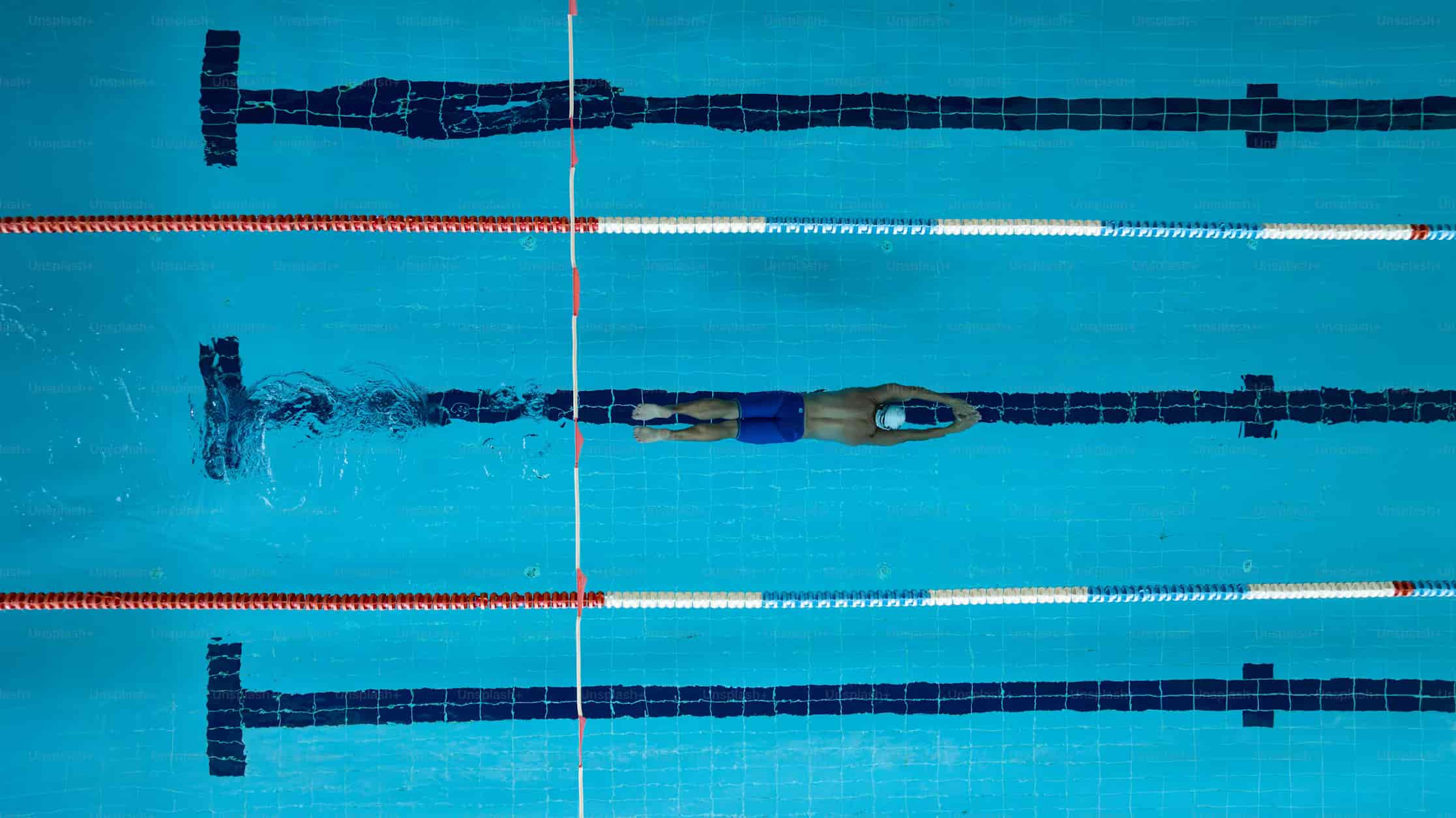
Sport psychology for athletes
Individual mental training and psychological support for athletes of all ages, levels and sports. In-person consultation in Barcelona and Ripollet. Also online.
Training the mind
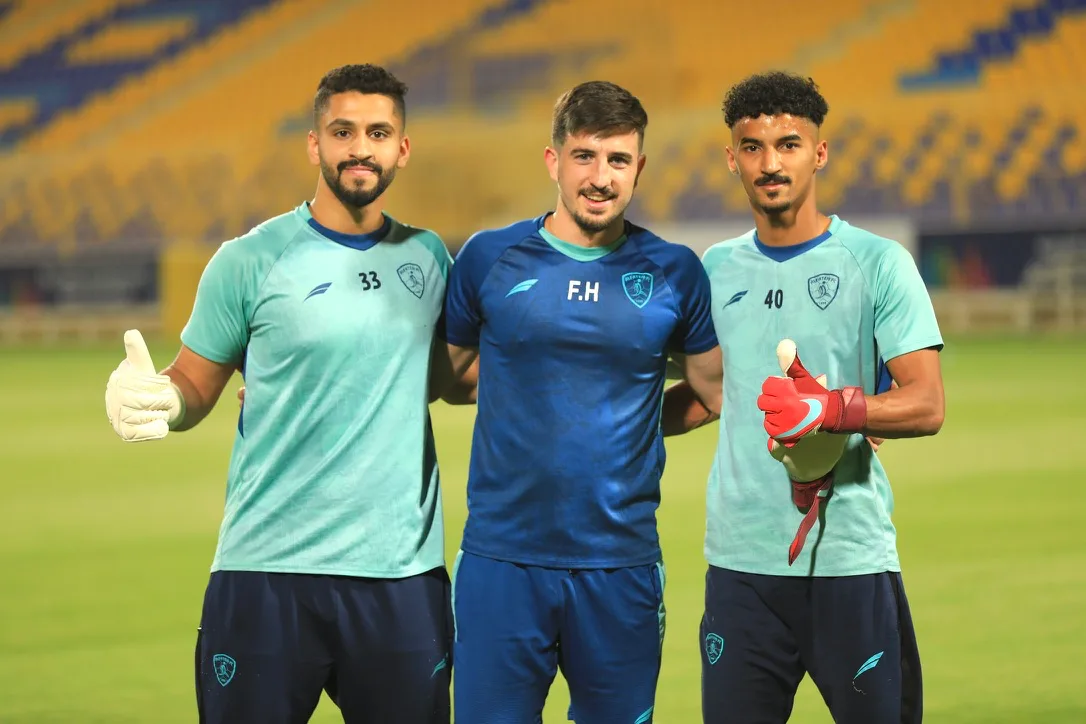
I've spent more than ten years working with athletes, from young people in the early stages of their career to professional athletes at the international elite level of their sport. I've worked in many different sports (athletics, basketball, handball, boxing, artistic gymnastics, figure skating, hockey, padel, tennis, triathlon, etc.), but the one I've spent the most time in is football. I've been part of top-level clubs in different countries (FC Barcelona, Deportivo Alavés, Al Fateh, Al Rayyan, Riga FC, Al Ittihad, Catgas Energia Santa Coloma), so I know the reality of sport from the inside.
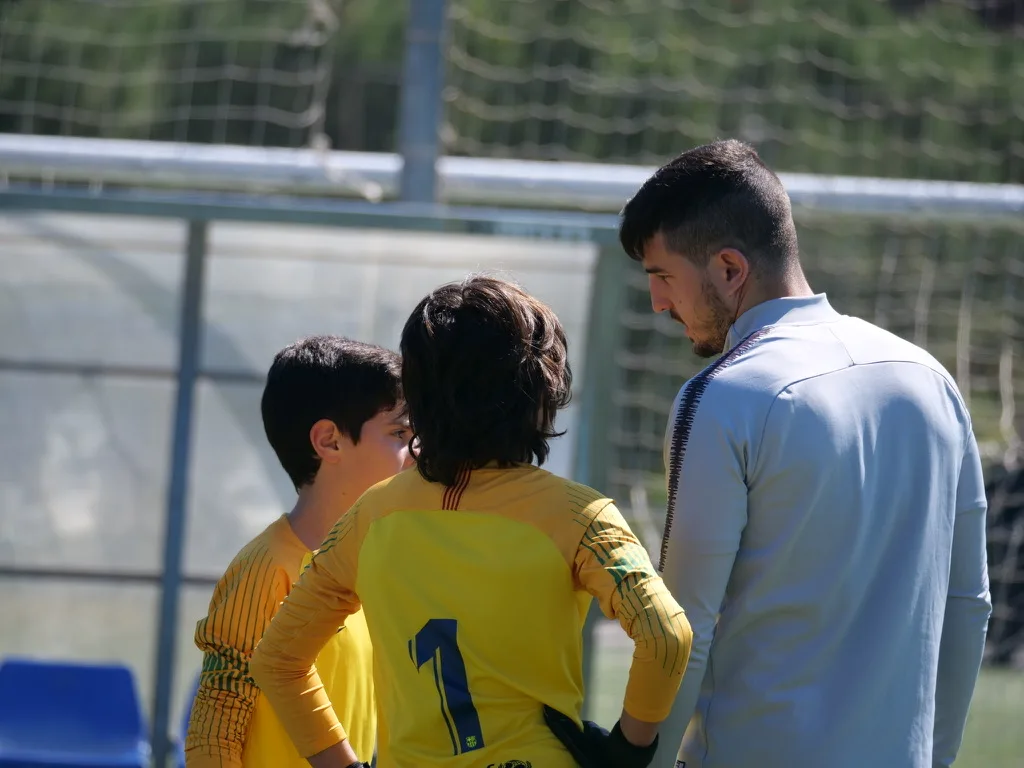
I specialise in sport psychology for football goalkeepers. I've accompanied many goalkeepers at different moments in their sporting and personal careers, both as a goalkeeper coach and as a sports psychologist. I know their most common concerns, their fears, and also the strategies that usually work best for them.
Another of my areas of specialisation is psychological work with coaches. During my PhD I specialised in researching mental health in coaches. More specifically, in those coaches who migrate to work in other countries. It's a topic I'm passionate about and there are several coaches of this profile I've been working with remotely for years.
Outside football, I have a special interest in endurance sports like cycling, triathlon and marathon running.
If you feel you're not performing or enjoying your sport as you should, or even if you're wondering whether your mental health might be affected by it, write to me and we'll see what we can do to improve the situation.
Challenges we work on
Balancing athletic and academic career
Managing time, priorities and the pressure of two demands competing for the same energy.
Changing club or country
Sporting, cultural and personal adaptation to a new context.
Competitive anxiety
Performing in competition at the level you already show in training.
Concentration
Staying focused on what depends on you while you compete.
Confidence
Rebuilding it after mistakes, being benched or a bad run.
Injuries
Holding it together during recovery and the return to competing.
Managing poor results
Processing a bad run without letting doubt take hold or spill over into the rest of the season.
Performance block
The body knows the movement, but something in the mind gets in the way. It tends to show up after an injury or a rough patch.
Psychological exhaustion
The body is rested but the mind isn't. Decisions get slower and the drive to compete fades.
Results pressure
Performing under high expectations (your own, your environment's or the club's) without the demand becoming a burden.
Frequently asked questions
Assesses which psychological factors are affecting their performance and trains specific skills: managing competitive anxiety, attention, confidence and competition routines. It also supports processes that go beyond sport, such as long-term injuries, changing club or country, and career transitions.
You don't need to wait until there's a problem. The most common signs: performing in competition below what you show in training, nerves you can't control before competing, a long injury, or a change of team, category or country that's proving harder than expected.
Both. I work in person in Ripollet and Barcelona, and online with athletes and coaches from any country. The online format keeps the same structure: assessment, work plan and follow-up.
An individual session (50-60 minutes) costs €60. There are bundles of 5, 10 and 15 sessions for ongoing processes.
Shall we start?
Tell me about your situation in a first, no-commitment session and we'll look together at whether it makes sense to work on it.